Tomatoes
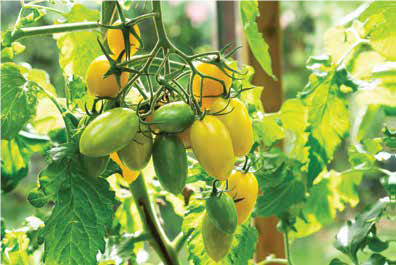
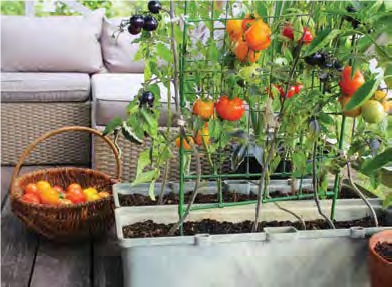
Tomatoes are the most popular vegetable grown in Kansas gardens. They are easy to grow, productive in small garden areas, and used in a wide variety of ways. Tomatoes require a location that is fairly fertile, well drained, and sunny, getting at least a half day of sun or more. Smaller vine tomatoes can be grown in containers.
Tomatoes are available in a wide range of colors, shapes, sizes, and growth habits. Most modern tomato varieties are hybrids with disease resistance, although there is also a strong interest in heirloom varieties. Increasingly, new varieties are being developed that combine desirable characteristics of heirloom varieties with increased disease resistance and yield of hybrid varieties. Not all varieties will perform well in Kansas, and some varieties that perform well in one year will not perform well in another year. Small-fruited tomato varieties, such as cherry, grape, cocktail, and paste tomatoes will often perform more reliably during extremely hot and dry years than larger slicing tomatoes. Very large-fruited varieties, especially large-fruited heirlooms, can be challenging in Kansas due to low yield and late fruit set.
There are dozens of characteristics that could be considered when selecting a good variety for your garden. In general, varieties that exhibit good crack resistance and are relatively early maturing (less than 75 days to maturity) are good choices for most of Kansas. Early maturing varieties are more likely to set fruit before the summer heat reduces fruit set. Many gardeners, especially those who are not able to rotate their planting locations or those whose gardens have a history of disease problems, will benefit from choosing varieties with strong disease resistance characteristics.
- Determinate types. These tomatoes are sometimes called “bush-type” or “compact” plants. They typically stop growing at about 3 feet tall and produce a larger number of fruit during a more concentrated time period. They can be a good choice if you have a very small garden, plan to use containers, or want a large harvest at one time for canning.
- Indeterminate types. These tomatoes continue growing for the entire season, which can result in a very large, tall plant that is 5 feet tall or more. Because of this vining growth habit, cages, stakes, or trellises are necessary. The plants will set fruit on side branches along the stem throughout the growing season, with smaller numbers of fruit ripening at one time.
Para información en español, visite este sitio web.
Plant tomatoes after all danger of frost is past. Early May is the common spring planting time. For a later early June, although high summer temperatures Most garden tomatoes should be spaced at least 18 inches to 2 feet apart in rows 3 to 5 feet apart. Dwarf varieties can be spaced closer. Large, heirloom varieties should be spaced further apart — about 3 feet — in rows. Tomatoes are usually grown from transplants. Choose a strong, healthy transplant that has a dark green color. Plants that are overgrown and have already started flowering or setting fruit will not perform as well later in the season. Set the plant slightly deeper than the container and firm the soil well around the root system. Tomatoes benefit from mulching for several reasons. All types of mulch help provide even soil moisture, weed suppression, and reduce the spread of leaf diseases. Black plastic mulch encourages early growth, while organic mulches are excellent for summer when applied 2 to 3 weeks after planting. Caging, staking, or trellising is recommended for tomatoes in most circumstances in Kansas. These practices use garden space more efficiently, keep the fruit off the ground, improve airflow, and reduce problems with fruit and leaf diseases. Many gardeners growing indeterminate types of tomatoes find that pruning the side shoots early in the growing season, up to the first flower cluster, benefits the overall health and growth of the plant. Pruning can be a valuable tool in small gardens where you want to keep plants within their space or when you want to increase airflow to prevent disease. Tomatoes will ripen on or off the plant when the fruit are full sized and starting to show a slight tinge of color. Harvest early to reduce the chances of cracking, fruit rot, and other damage. Store ripening fruit at 55°F for maximum storage life or place them in a warmer location for quicker ripening. Do not store unripe tomatoes at temperatures less than 50°F for best flavor development. Fully ripe fruit can be stored at temperatures as cool as 46-50°F for up to 2 weeks. Red pigments do not form in temperatures of 95°F or above; therefore, deeper red color will result from ripening off the vine in summer heat. At the end of the season, harvest all full sized fruit and store them in a cool basement for ripening to enjoy fresh tomatoes 1 to 2 months after the last freeze. Fruit that has not yet started turning color but that has a faint white star on the bottom of the fruit will usually ripen successfully. Tomatoes are commonly canned in a variety of different ways. For more information on safe canning practices and recipes please visit the National Center for Home Food Preservation or the K-State Rapid Response Center. Tomatoes are the most popular vegetable grown in our gardens for a reason. They can be used in a wide variety of ways and if canned you can enjoy tomatoes all year long. Tomatoes are very nutritious and low in calories. One medium fruit has about 35 calories, is low in fat and is an excellent source of vitamins A and C. Recipe source: North Dakota State University Extension Recipe source: Ohio State University Extension Optional seasonings (basil, oregano) Recipe source: North Dakota State University Extension
can reduce fruit set until later in the season on late planted tomatoes. Tomato plants are typically set in the garden. If you want to start your own transplants from seed, start the seeds indoors 4 to 8 weeks before the desired planting date.
Mini Tomato and Chicken Pizzas with BBQ Drizzle
Ingredients
Directions
Bruschetta Salad
Ingredients
Directions
Fall Veggie Skillet
Ingredients
Directions