Spinach
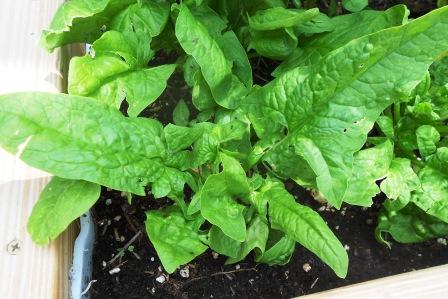
Spinach is a hardy, cool-season crop that is relatively easy to grow and well-adapted in small garden areas. It will grow in spring or fall seasons, but long, hot days in late spring cause spinach plants to bolt or produce a seed stalk. Spinach varieties vary as to the degree of “crinkle” in the leaves — called savoy. There are smooth leaf, semi-savoy, and savoy-leaf types. Spinach varieties also differ in whether the leaves exhibit more upright growth or more flat growth. Both of these characteristics can impact how dirty the leaves get and how well they tolerate cold weather conditions.
For spring-planted spinach, look for varieties that are quick to mature and that are heat tolerant and slow to bolt. For fall-planted spinach, varieties that are heat tolerant during germination are helpful. If the spinach will be grown into the early winter or overwintered, choose varieties that have strong cold tolerance or were developed for overwintering. Para información en español, visite este sitio web.
Spinach can be planted very early as it is cold hardy. Mid- to late March is a common planting time. Fall spinach can be planted in mid-August to early September. Fall-planted spinach will usually overwinter if lightly mulched and will vigorously re-grow in the spring.
Plant seeds about an inch apart in rows as close as 5 to 6 inches, or you can scatter seed uniformly about an inch apart in a wide row or bed planting. Because spinach germinates and grows early in the season, weed control is easier in this crop than in many other crops planted this way. Dense plantings will reduce weed pressure. Spinach grows best when temperatures do not exceed 75°F. Temperatures down to 32°F do not seriously damage young plants. A 10-foot row at 3 inches apart with 12 inches between rows will produce 4-6 pounds of spinach.
- Sunlight: Spinach needs at least 4-6 hours of sunlight for best production. Provide some shade during the heat of the day to improve the quality of later-picked spinach.
- Watering: Water spinach regularly, supplying 1-2 inches per week. Try to keep the soil evenly moist, as fluctuations in soil moisture can lead to tough leaves that grow slowly.
- Fertilization: Apply ¼ cup per 10 feet of row of a nitrogen-based fertilizer (21-0-0) 4 weeks after transplanting or at thinning to encourage rapid plant growth. This nitrogen will help keep the spinach dark green.
- Transplanting: Spinach is usually direct-seeded, but you can start transplants indoors to be planted outside. Seeded spinach can be planted earlier than transplants can.
- Pests and Diseases: Weed control will be very important as spinach does not compete well with weeds. Aphids, slugs, and flea beetles are the main pests of spinach. Spinach will bolt and start to flower when the temperatures get too warm.
- Succession Planting: Plant spinach every 10-14 days in the spring or fall to extend the growing season.
Clip spinach leaves as soon as they are big enough to use. If you clip individual leaves, the plant will continue to develop and produce more leaves. If you want to harvest mature plants, cut the plant at the soil level. This will be necessary as hot weather approaches. Fall-planted spinach will often overwinter; clip individual leaves for fall harvest but allow the plants to remain. Store spinach in a plastic bag in a refrigerator for about a week. Spinach can be frozen or canned but it is best when eaten fresh. For more information on preserving spinach check out the National Center for Home Food Preservation's website.
Spinach is low in calories and has no fat or cholesterol. Spinach is a very good source of dietary fiber, vitamins A, B6, C, folate, calcium, and iron. While we commonly think of spinach as a leafy green for salads it also goes well in a variety of recipes including dips, breakfast foods, and wraps.
Spinach Dipped Stuffed Garlic Rolls
| Ingredients | Directions |
K-State Research and Extension does not endorse commercial products or companies even though reference may be made to trade names, trademarks, or service names |
|
Recipe source: North Dakota State University Extension
Cranberry and Spinach Sweet Potatoes
| Ingredients | Directions |
|
|
Recipe Source: Alabama A&M and Auburn University Extension
Spinach and Kale Green Yogurt Dip
| Ingredients | Directions |
|
|
Recipe Source: North Dakota State University Extension