Pumpkins and Winter Squash
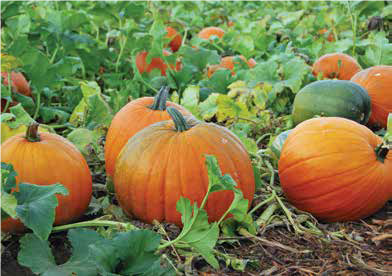
Pumpkins and winter squashes are warm-season crops that are grown using similar methods. The term “pumpkin” is often used for anything that is round and orange, while the term “squash” is used for an edible fruit of some other shape or color. The term “gourd” is used for various shapes and sizes of fruit used for decoration. Most pumpkins are either Cucurbita pepo or Cucurbita maxima species, while most squashes are Cucurbita pepo. Some winter squashes are Cucurbita moschata or Cucurbita argyrosperma. Most pumpkins have been developed for their ornamental qualities, although some varieties have been developed for pies or for hull-less seeds. Winter squashes are primarily for culinary purposes, although many have attractive ornamental characteristics as well.
Pumpkins, squash, and gourds are closely related crops that are members of the Cucurbit or vine crop family. There are four species of the genus Cucurbita used as vegetables, and crossing can occur within species only. Cross pollination, however, will only influence the crop if you save your own seed for next year’s crop. The four species are listed below with some common varieties for each species. Only varieties within species will cross with each other.
- Cucurbita pepo. Most jack-o-lantern pumpkins, zucchini, yellow summer squash, scallop or patty pan squash, acorn squash, and most small, yellow-flowered gourds.
- Cucurbita maxima. Large pumpkins (Big Max, Atlantic Giant), hubbard squash, buttercup squash, delicata squash, Turk’s Turban squash.
- Cucurbita moschata. Dickinson field pumpkin, Kentucky field, butternut squash.
- Cucurbita argyrosperma. (formerly Cucurbita mixta) Green-striped cushaw, sweet potato squash, Japanese pie pumpkins.
Para información en español, visite este sitio web.
Pumpkins produce large, sprawling vines that take up a lot of space in the garden. Some pumpkin varieties are bush or semi-vining types that take less space but still spread. Numerous varieties exist that range widely in size, color, shape, eating quality, and other characteristics. Most decorative types are not flavorful for eating purposes.
Pumpkins and winter squash can be safely planted after all danger of frost is past in early to mid-May and the soil temperature is at least 60°F. For pumpkins, most growers prefer to plant in early to mid-June to ensure that pumpkins do not mature too early. June-planted pumpkins are ready for harvest in early October.
Pumpkin vines need 50 to 60 square feet per hill — 1 to 2 plants — and standard vining types should be planted about 4 to 5 feet apart in 12-foot rows. Small or semivining pumpkins and winter squashes can be planted 3 to 4 feet apart in 6-foot rows. Plant seed about an inch deep.
Some smaller fruited gourds and pumpkins can be grown on a trellis or cage, although they will need help to start climbing. Most winter squashes, even larger fruited types, can do well on a trellis due to their strong stems and vines. However, not all varieties of squashes and pumpkins will perform well when trellised.
- Sunlight: Pumpkins need full sunlight for best growth and production. Provide a minimum of 8 hours or more of sunlight per day.
- Watering: Pumpkins need adequate moisture during fruit set and while the pumpkins are growing to reach maximum size. Water thoroughly during flowering and early fruit development.
- Soil and Fertilization: After the vines develop runners, side dress with a nitrogen fertilizer (21-0-0) using 1-2 tablespoons per plant or mound. Incorporate the fertilizer at least 6 inches away from the plant.
- Transplanting: Pumpkins are typically seeded directly into the garden and not transplanted.
- Pests and Diseases: Powdery mildew can be a serious disease for pumpkins and winter squashes. Choosing a variety that is highly resistant to the disease will increase the chances of a successful crop with minimal fungicide treatment needed. Aphids, squash bugs and squash vine borers can be major insect pests and can decimate a plant. For information on controlling squash vine borers check out this Kansas Healthy Yards video. To learn how to control squash bugs check out this K-State publication. For more information on controlling aphids use this K-State Publication. Pumpkins and squashes have both male and female flowers. Only female flowers develop into fruit; male flowers outnumber female flowers and appear first. Bees transfer pollen from male to female flowers. Use care in application of pesticides that may kill bee populations.
Pumpkins and winter squash are ready for harvest when the skin is tough and hard and the stem no longer “leaks” when cut from the vine. Check the development by trying to penetrate the skin with your fingernail. Cut the stem with a sharp knife or pruning shears.
Immediately after harvesting, allow winter squash and pumpkins to further dry by storing them at 70 to 80°F in a dry location for 2 to 3 weeks before moving them to storage areas such as a basement where temperatures are 50 to 60°F. This “curing” process allows the squash rind to toughen. Winter squash can be stored for 4 to 8 months. Storage temperatures of 50 to 60°F in a dry location out of direct sunlight will maintain pumpkins’ bright color. Squash and pumpkins can also be preserved for an extended use. To learn more check out the Center for Home Food Preservation's pumpkin website.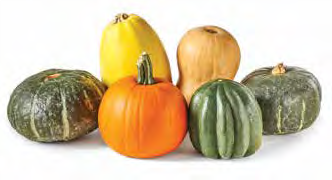
While we often think of pumpkins and squash as fall decorations or in pumpkin pie, they also can be used in a variety of different dishes.
Lasagna Stuffed Spaghetti Squash
| Ingredients | Directions |
|
|
Recipe Source: North Dakota State University Extension
Spaghetti Squash Chow Mein
| Ingredients | Directions |
|
|
Recipe Source: North Dakota State University Extension
Bean and Butternut Squash Chili
| Ingredients | Directions |
|
|
Recipe Source: North Carolina EFNEP