Peppers
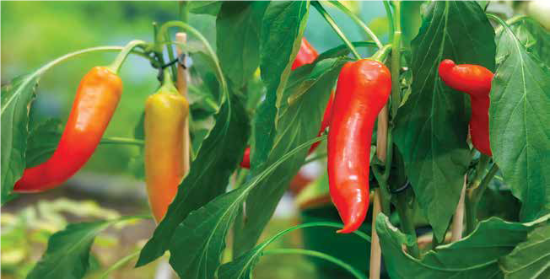
Peppers are generally classified as sweet or hot, with the most common sweet peppers being large, blocky bell, banana, and Italian roasting varieties. Hot peppers vary in shape and size as well as degree of hotness. Heat level is measured in Scoville Heat Units (SHU), which ranges from about 1,000 SHU for Anaheim peppers to well over 1.5 million SHU for specialty hot peppers like the bhut jolokia (ghost) pepper or Carolina Reaper.
Common hot peppers include Anaheim, jalapeno, serrano, and habanero peppers. Some peppers, such as paprika or cayenne, are commonly grown to be dried and ground into chili powders for seasonings rather than for fresh eating.
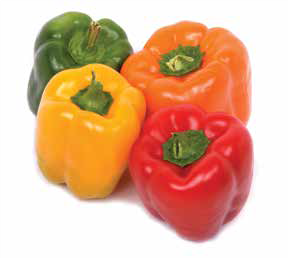
Peppers can be eaten either when the fruit is full-sized but immature or when it changes to its mature color. A variety of colors from green to red, yellow, orange, purple, white, and brown (dull purple) are available.
When possible, select varieties that have a compact, bushy growth habit that will withstand wind and heavy fruit set without breaking branches. For colored peppers, look for varieties that have vigorous foliage growth that will provide good shading to the ripening fruit to prevent sunscald. Large-fruited, sweet, bell peppers produce relatively few fruit per plant. If high yields are desired or space is limited, smaller fruited sweet peppers or Italian roasting peppers may be a better choice. Most home gardeners find that 1 or 2 plants of a particular type of hot pepper are sufficient to meet their needs unless a large volume is desired for food preservation purposes. Para información en español, visite este sitio web.
If starting peppers from seed indoors, plant the seeds 6 to 8 weeks before the desired transplant date. Mid-May is a safe time to plant peppers in most of Kansas. Planting large, overgrown plants that have already started to flower will reduce the overall productivity of the plants. The rate of germination and transplant growth will vary widely depending on the type of peppers and the warmth of your growing area. Heat mats will provide faster, more consistent germination, especially for hot pepper varieties. Peppers are usually set as transplants in the garden and should be planted 1 to 2 weeks after setting tomatoes. Peppers exposed to cold temperatures early in the season will often drop their fruit, resulting in a large, unproductive plant. It is better to wait to plant if the soil and air temperatures are still consistently below 55°F. Set plants 1 to 2 feet apart in rows 2 to 3 feet apart. Another option is to plant a staggered, double row in a 2-foot-wide bed. This is an efficient option if you have limited space or are looking for a high yield of a sweet pepper variety. Many hot peppers produce a larger, more sprawling plant and may require more space. Plant 3-4 pepper plants per person for fresh use and an additional 5-10 plants for pickling, canning, drying, or freezing. Expect 75 pounds of fruit per 100 feet of row depending on variety. Harvest fruits when they are the desired size and have firm, thick walls. Regular harvests will keep the plants producing more. Carefully pick or cut peppers from the plants. Avoid pulling on the fruit, as you can easily break the plant. Peppers that have begun to turn color may continue to turn after harvest. Hot peppers produce an oil that can penetrate the skin and cause discomfort if it gets into your eyes or other sensitive areas of your body. Use rubber gloves to harvest very hot peppers. Peppers will store for 1-2 weeks if held at 50-55ºF. Fruits are subject to chilling injury, so do not store them for long periods in the refrigerator. Peppers can be preserved for longer use through several methods. For information on canning peppers, click here. For information on freezing peppers, click here. For information on dehydrating peppers, click here. Peppers are a wonderful main course or addition to many recipes. They can be served raw, cooked, steamed or even baked depending on the recipe. Bell peppers are an excellent source of vitamins A and C. One raw pepper provides more vitamin C than one cup of orange juice. Because cooking can destroy some vitamin C, you will get the most benefit from peppers if you eat them raw. Recipe Source: North Dakota State University Extension Recipe Source: North Dakota State University Extension Recipe Source: The University of Maine Extension
Omelet Stuffed Peppers
Ingredients
Directions
Stuffed Pepper Soup
Ingredients
Directions
Peppers and Zucchini
Ingredients
Directions