Peas
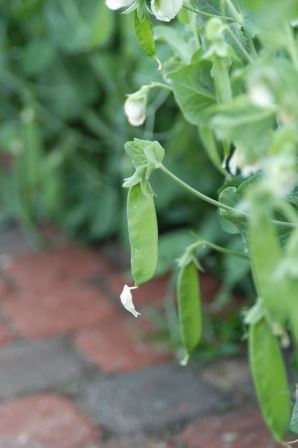
Peas are one of the most cold-tolerant plants grown in Kansas gardens. They can be planted about as early as soil can be prepared in the spring. Most varieties produce pods and the seeds need to be shelled. Several newer varieties produce thick, fleshy pods, and the pods as well as seeds can be eaten. Some thin-podded oriental types produce tender pods with only the pods used.
- Shelling peas. Sometimes called English or garden peas, these varieties must be shelled and the seeds are eaten.
- Sugar snap peas. These peas have fleshy, edible pods and are consumed when the seeds are developed and the pods are full. They have a very sweet flavor.
- Snow peas. These edible-podded peas have thin, tender pods that are typically eaten when the seeds are still very small and immature.
Many varieties are good choices in Kansas, although early maturing varieties may be more consistent, especially in the southern half of the state. Varieties that are resistant to powdery mildew may also be a good choice.
For most gardeners, the two primary considerations are vine height and pod length. Some peas have shorter, dwarf vines that will not need any staking or trellising. Others have much taller vines — as tall as 5 feet — and will need a trellis for best production.
Pod length typically has a direct impact on yield, with longer pods having more seeds. Larger podded snow and snap peas also will often yield more per plant. However, gardeners may find that they prefer the flavor and tenderness of smaller podded varieties.
Para información en español, visite este sitio web.
Plant seeds in early to mid-March when the soil is dry enough to work. Peas will germinate when soil conditions are favorable. Peas planted later in the spring may not produce before the weather gets too hot. Peas are not well adapted to fall gardens because their seeds usually fail to germinate in warm soil.
Plant seeds 2 to 4 inches apart with rows 12 inches apart. Peas usually do best when planted in 2 to 3 rows, 4 to 6 inches apart, so the weak, spindly vines can support each other. Peas can also be grown on a trellis, using wire or string for support. Check out the Kansas Healthy Yards video on Easy to Grow Peas.
- Sunlight: Peas need full sun in order to thrive. If possible, provide shade during the heat of the afternoon toward the end of the growing season to extend the harvest.
- Watering: Peas prefer cool soil and need water during stressful periods. Provide at least 1 inch of moisture each week, if not provided by rainfall.
- Soil and Fertilization: Peas are legumes and can fix their own nitrogen. Additional fertilizer is not needed unless a soil test indicates there is a deficiency in phosphorus or potassium.
- Pests and Diseases: Powdery mildew can be a problem on some varieties. Choose varieties resistant to powdery mildew and use a trellis to allow for extra airflow and sunlight to reach the plants.
When the shelling pea pods are swollen so that seeds within are full sized but tender and not yet starchy, pick and shell the peas. Harvest sugar snap peas when the pods are succulent and tender, but the seeds are mostly enlarged. Harvest snow peas when the pods are crisp and tender but before the seeds begin to enlarge significantly. Tasting a pea or two is also helpful in determining if they are ready to pick. Edible-podded peas should be tender and sweet at optimum harvest.
Store peas in a refrigerator in a plastic bag for up to a week. Edible-podded types should be picked and used immediately after harvest as they tend to dry out readily. Peas are easily frozen for later use. For information on freezing peas check out this website. For information on canning peas check out this website.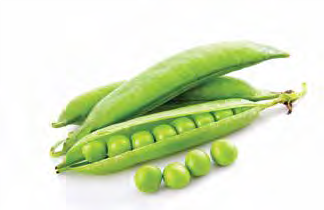
Peas are commonly eaten raw or cooked and are often added to salad, soups, stews and other dishes. Peas are a good source of vitamins C and E, zinc, and other antioxidants that strengthen your immune system. Other nutrients, such as vitamins A and B and coumestrol, help reduce inflammation and lower your risk of chronic conditions, including diabetes, heart disease, and arthritis.
Pinwheels with Pea Hummus
| Ingredients | Directions |
|
Pea Hummus
Pinwheels
|
Pea Hummus
Pinwheels
|
Recipe source: North Dakota State University Extension
Stir Fry Vegetables and Chicken
| Ingredients | Directions |
|
|
Recipe Source: University of Alaska-Fairbanks Extension
Salmon, Snow pea and Potato Salad
| Ingredients | Directions |
| 1 pound red potatoes, cut into chunks 6 ounces snow peas, trimmed ¾ cup water 3 strips lemon zest 12-ounce salmon fillet 2 Tbs light mayonnaise 2 Tbs fresh lemon juice 1 Tbs reduced sodium soy sauce ¼ tsp salt ¼ cup minced dill 1 10-ounce package frozen corn kernels, thawed 6 cups mixed salad greens |
|
Recipe Source: University of Alaska-Fairbanks Extension